
The notion of an Antihero is not a topic of conventional discussion in the contemporary literary spheres. With the rise of the idea of ‘Multiple Realities’ in the postmodern realm of existence, people have now become highly cognizant of the futility of a morally perfect hero. Thus a ‘hero’ has now (most likely) become an obsolete object.
This does not mean that the hero is not significant at all now, it is only to assert that the hero must face his foil now. We, as a postmodern people, must address the importance of the foil. The notion of antihero has been so neglected that, ‘’There is not even agreement as to the spelling (sometimes it is hyphenated, sometimes not-)’’ (Januszkiewicz)
The antihero is an ‘…anthropomimetic object…’ (Markiewicz). He is psychologically not as streamlined as the hero, thus, society shapes him much more than it shapes the hero. From an anthropological perspective, we may safely assert that the antihero is the mirror of his society, much more so than a hero is.
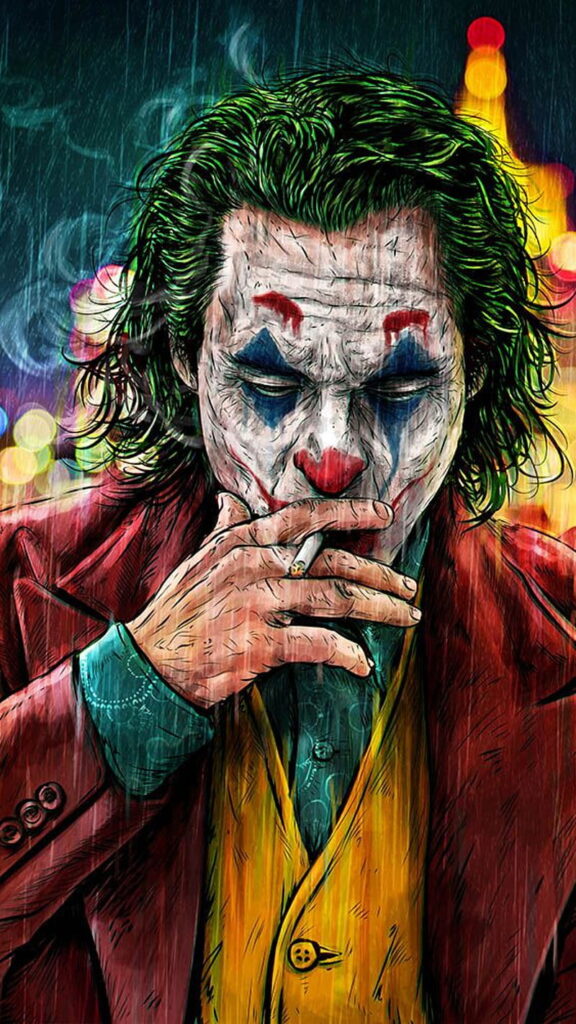
Examples of antiheros in popular culture include : Joker (the Famous Batman antagonist), Meursault (The Stranger), Salaar Sikandar (Umera Ahmed’s most famous character), etc.
Emotional and psychological density is what makes the antihero much richer as compared to the hero. The hero’s moral compass is straight and unwavering. The character arc is barely in motion. This however, is not the case in the personage of an antihero.
An antihero will make a reader hate him, love him, pine for him, and so much more! Whilst this is not the case with a hero. The relationship of a reader and a hero is a straight line, whereas that of a reader and an antihero is a topsy turvy ride, one that’s filled with all sorts of emotional and psychological setbacks. This is exactly what makes the antihero more enjoyable and intriguing.
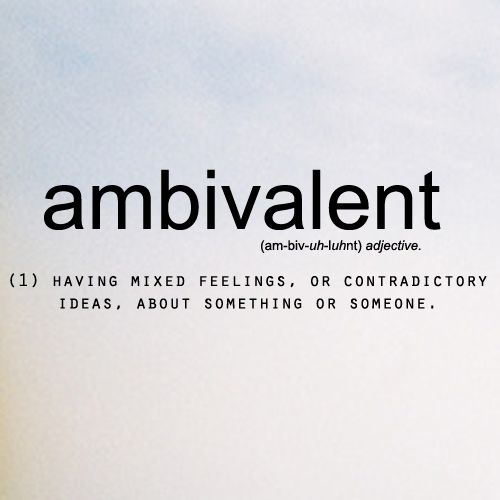
The concept of antihero comes hand in hand with the idea of ambivalence. Ambivalence is defined as the state in which there are two contrasting feelings present in the heart or mind of a subject.
The reader enjoys a relationship of prominent ambivalence with an antihero. They love and hate the character simultaneously. This particular ambivalence is what causes a lasting impact on the mind of the reader. There is no such ambivalence created whilst a reader is perusing a conventional Hero.
This particular foil to our conventional hero isn’t going anywhere anytime soon! He’s here to stay. He’s here to make readers go through emotional rollercoasters, and he’s surely going to create humongous stirs in the waters of our beloved demesne of literature.


Comments (3)
Shumailsays:
July 25, 2023 at 5:32 amI think morally gray characters are easier to digest since they are unapologetically doing everything we’re scared to admit we also want.
Fatima Alisays:
July 25, 2023 at 5:38 amI opine the same!
We’re tired of conventional heroes and conventional villains (or at least I am). Do you remember the drama ‘Bashar Momin’?
I suppose in our Drama industry, and possibly in the contemporary Urdu literature as well, Bashar Momin is a fine example of antihero. (After Salaar though.)
Wajid Rehmansays:
July 25, 2023 at 6:55 amI opine that a hero enjoys more perks than an anti_hero. The main reason of this is that the hero goes hand in hand with our emotions, and it makes us elatedly numb, in one way or the other.
On the other hand , anti hero becomes so contrasting, he always plays with our sentiments.
So, we should prioritise hero rather than prioritising anti hero.